Date: February 28, 2026
Category: Luxury Market Analysis / Horology
Reading Time: 5 Minutes
Category: Luxury Market Analysis / Horology
Reading Time: 5 Minutes
The ink is barely dry on the latest industry bible. Released this February 2026, Morgan Stanley’s 9th Annual Swiss Watch Report (produced in partnership with LuxeConsult) delivers a stark message to the horological world: The era of universal growth is over.
Based on full-year 2025 data, the report paints a picture of an industry in deep structural adjustment. While the headlines scream about declining numbers, the real story lies in the extreme polarization between the “haves” and the “have-nots.”
Here is our deep dive into the core findings and what they mean for brands, collectors, and investors.

📉 Core Conclusion: A Market Shrinking in Volume, Concentrating in Value
The overarching theme of the 2026 report is “Quantity Down, Quality Up, Winners Take All.”
-
Consecutive Contraction: The Swiss watch industry has officially entered a correction phase.
- Export Value: Down 1.7% year-over-year to CHF 24.4 billion. This marks the second consecutive year of decline following the post-pandemic peak.
- Export Volume: The drop is far more severe here, plunging 4.8% to just 14.6 million units. This is a multi-decade low, signaling that the entry-level and mid-range markets are collapsing.
- Historical Context: Since 2011, total Swiss watch volume has been halved (-51%). Quartz watches are nearly extinct in export stats, and even mechanical watches are feeling the squeeze.
-
Extreme Polarization (The Matthew Effect):
- The Top 5 Dominance: The top five brands (Rolex, Cartier, Omega, Patek Philippe, Audemars Piguet) now command roughly 60% of the entire market’s revenue.
- The “Big Four” Fortress: Rolex, Patek Philippe, Audemars Piguet, and Richard Mille collectively hold a staggering 47% market share. Just six years ago, this figure was under 37%. They are not just leading; they are isolating themselves from the rest of the pack.
- Survival of the Fittest: Out of the top 50 brands, only 11 managed to grow their sales in 2025. The remaining 39 shrank, proving that in a shrinking pie, only the strongest slices get bigger.
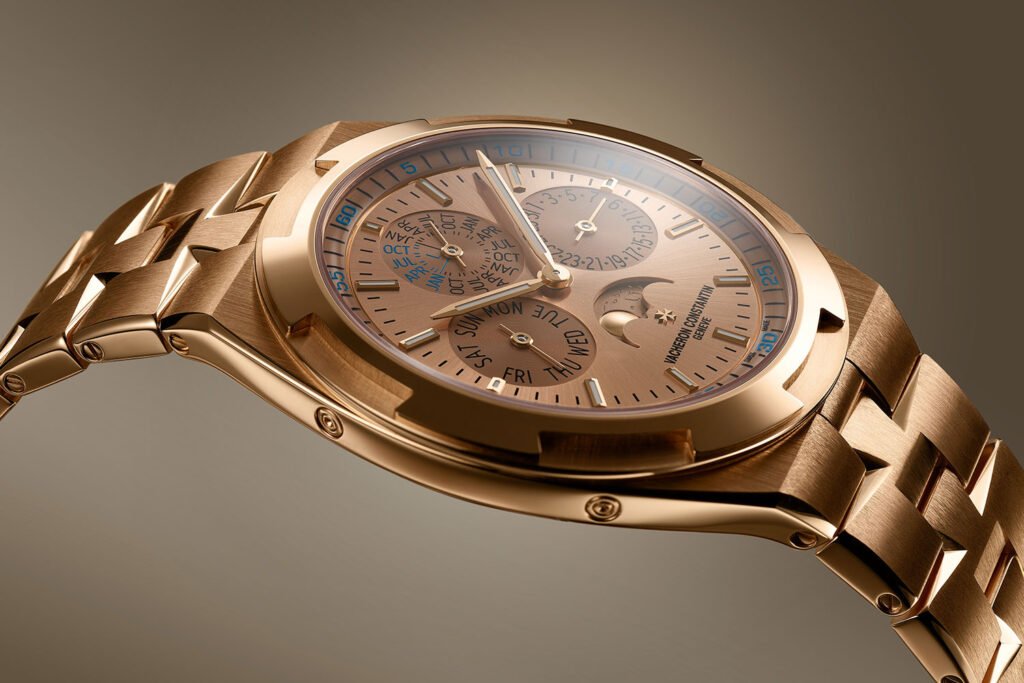
👑 Brand Landscape: The Hierarchy of Power
1. The Undisputed King: Rolex
- Market Share: ~30% (alone).
- Revenue: Estimated at CHF 10 billion.
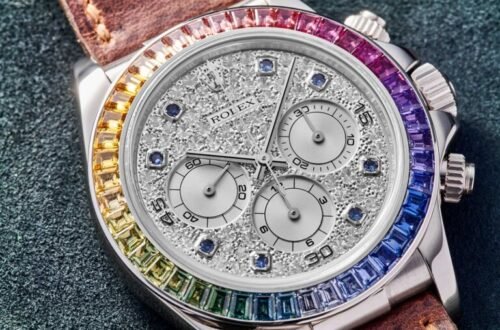
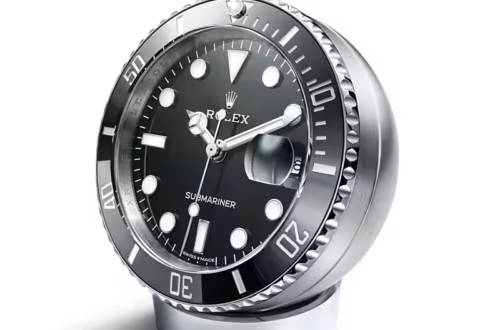
- Strategy: Rolex continues to master the art of scarcity. By strictly controlling supply and maintaining pricing power, it has become immune to broader economic downturns. While secondary market prices for models like the Submariner or Daytona have normalized, the brand’s official demand remains insatiable.
2. The Rising Titan: Patek Philippe
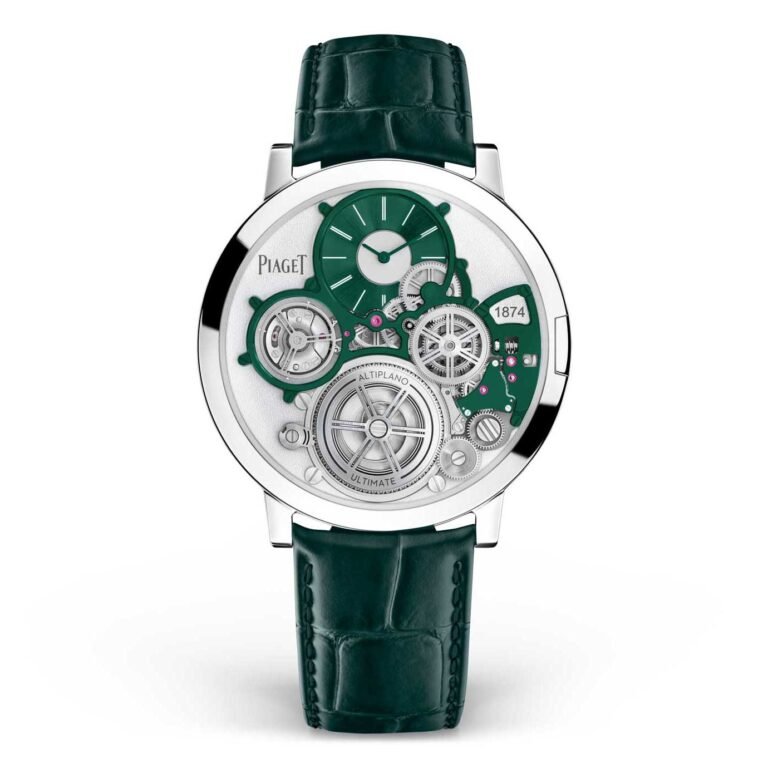
- Key Breakthrough: The report highlights Patek Philippe’s ascension, noting that its influence and per-brand revenue now rival or surpass the combined watch divisions of massive conglomerates like LVMH in certain metrics.
- Secondary Market Hero: Patek is the primary driver of the recent secondary market recovery. The Nautilus and grand complications have rebounded sharply, reaffirming their status as “blue-chip” assets for collectors.
3. The Contenders
- Cartier: Solidifying its #3 spot by leveraging its jewelry heritage. It successfully attracts consumers who prioritize aesthetics and brand prestige over pure horological mechanics.
- Omega: As Swatch Group’s flagship, it maintains high volume thanks to iconic lines like the Speedmaster (celebrating anniversaries) and Seamaster. However, it faces a glass ceiling when trying to move up into the ultra-luxury tier.
- Richard Mille: The “King of Average Price.” While its volume is tiny compared to Rolex, its astronomical price points secure its place in the elite “Big Four,” catering exclusively to the ultra-wealthy.
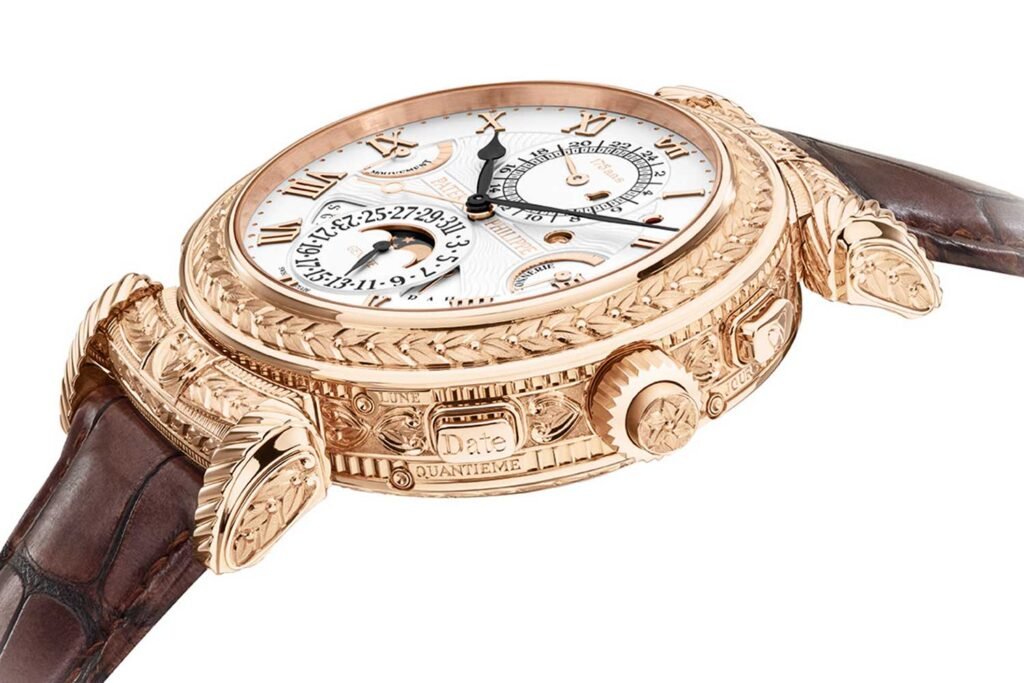
🌏 Regional Focus: The China Correction
The report dedicates significant attention to the shifting dynamics in Greater China:
- Sharp Decline: Exports to Greater China fell by 13% in 2025.
- Long-Term Trend: Compared to the 2012 peak, exports to the region are down roughly 40%.
- Consumer Shift: The Chinese consumer has matured. The days of buying any luxury watch as a status symbol are gone. Today’s buyer is rational, focusing on brand heritage, resale value, and uniqueness. Entry-level luxury is dead in this region; only the truly exceptional survives.
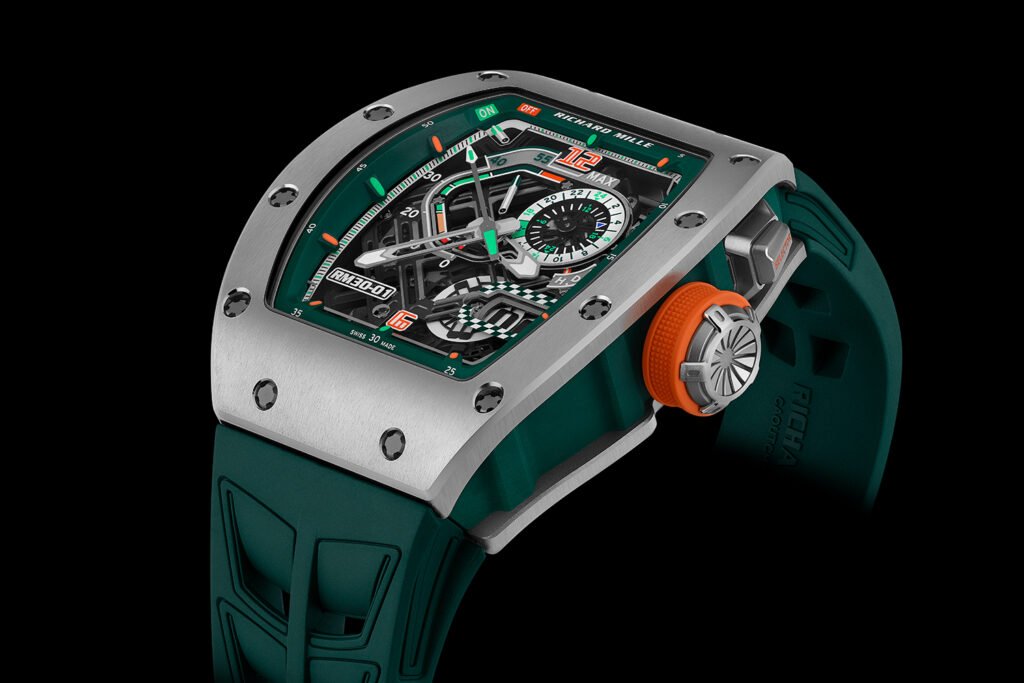
💎 Secondary Market & Collector Trends
Is the crash over? The report suggests a tentative “Yes” for the top tier.
- Bottoming Out: After 13 consecutive quarters of decline, the secondary market index saw a +1.5% quarterly rebound in late 2025/early 2026.
- Two-Horse Race: This recovery is almost entirely driven by Rolex and Patek Philippe, which make up two-thirds of the tracked index. Other brands are still struggling to find floor prices.
- Service Boom: With vintage and classic models appreciating, there is a surge in demand for professional restoration and servicing. Over 60% of high-end owners now view “maintenance provenance” as critical to asset preservation.
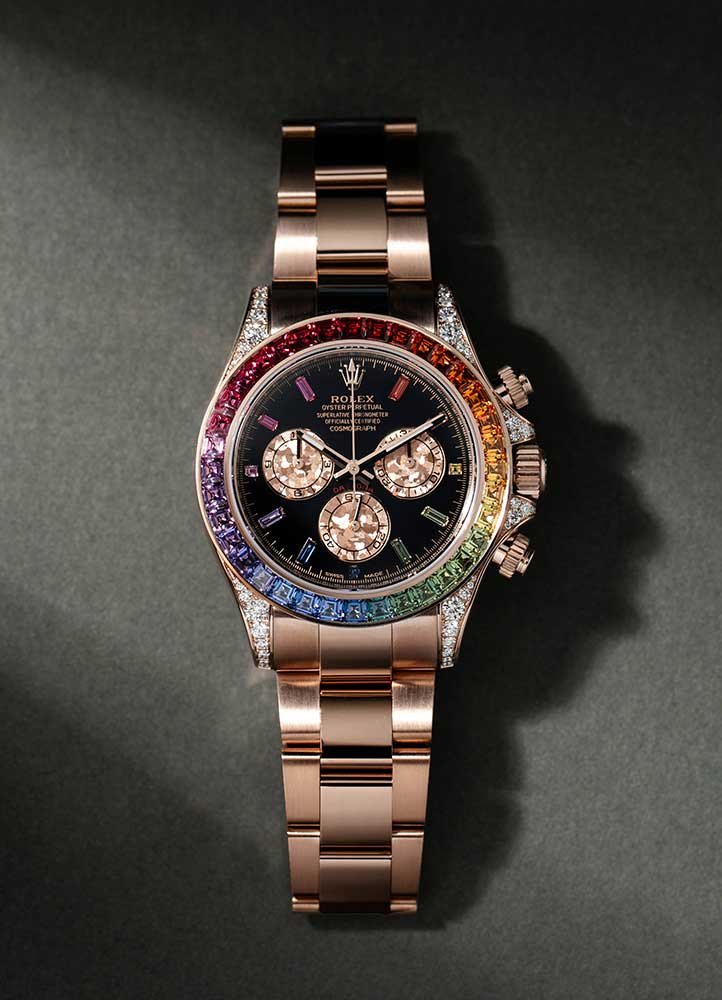
🔮 The Verdict: What’s Next?
Morgan Stanley’s 2026 report serves as a wake-up call. The Swiss watch industry is no longer a rising tide that lifts all boats. It is a zero-sum game where scale and exclusivity are the only currencies that matter.
- For Brands: If you aren’t in the top 10, you are in danger. Mid-market brands (CHF 3k–10k) face an existential crisis and must either innovate radically or niche down aggressively.
- For Collectors: Stick to the blue chips. In a volatile market, liquidity and brand recognition are your best insurance.
- The Big Worry: The relentless drop in total volume suggests a generational shift. If young consumers aren’t buying mechanical watches, the long-term pipeline is threatened. The industry’s next big challenge isn’t just selling more watches; it’s making mechanical timekeeping relevant to a digital-native generation.
In short: The party hasn’t ended, but the guest list has gotten much shorter.